Blog



Evaluating AI Systems Like Engineers, Not After the Fact

AI evaluation usually starts after something breaks. This post argues for engineering it instead: name failure modes first, run cheap checks before expensive judgment, and build the habits Liatrio teaches inside its AI Evaluation Bootcamp.

Silence Isn't Safety: What We Learned From Vetting AI Skills

What two months of building a vetting pipeline for AI skills taught us.
Five Scanners, 5,000+ AI Skills: What We Learned About Skill Security

Liatrio tested five AI skill scanners against real malicious and benign corpora. Static tools never beat a simple keyword grep. LLM-backed scanners (Snyk, Cisco, SkillSpector) scored far higher, and requiring three of them to agree gave the cleanest high-confidence results.
Stop Measuring AI by Tokens. Measure It by Outcomes.

How Liatrio and SpaceXAI turn Grok, Cursor, and Grok Bot into enterprise throughput — with Forward Deployed Engineers who build with your teams, not for them.
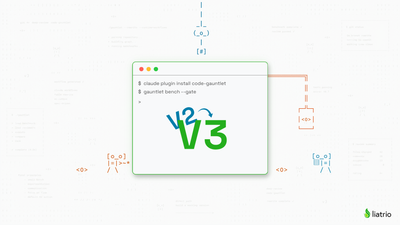
Code Gauntlet Rewrite to Claude Workflows

We built a benchmark, measured our AI code reviewer against the market, then let Fable rewrite it over a four-day autonomous session. The new version tops every tool we scored.

We Let Machines Build It, Then Made Humans Vouch For It

A single-line CVE fix that passed every automated test still needed a 45-minute CAB meeting to ship. That's the gap autogov closes: signed build evidence and policy-as-code that replace manual approval with a portable, cryptographic verdict a machine can trust.

Recruiting in the AI Era: Why We Are Automating the Paperwork, Not the People

We're done sitting through demos of "revolutionary" AI-sourcing platforms that can't spot real talent. Liatrio's recruiter still trusts humans to judge this, but built a Claude + MetaView + Lever automation to kill scorecard paperwork. Here's how.

AI Amplifies a Good Platform… but it Doesn't Fix a Bad One.

Enterprises making the most of AI right now have spent the last decade doing work that rarely makes headlines: cleaning up pipelines, building self-service infrastructure that's secure by default, establishing clear ownership over their systems and data.
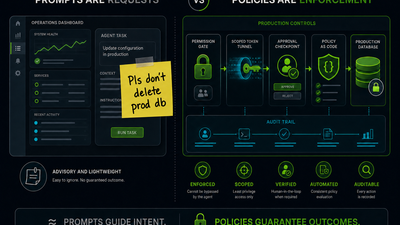
The Agent Harness Is Part of Production

The PocketOS incident shows why AI agent safety cannot depend on prompt-based guardrails. When an agent harness has production access, teams need to understand, constrain, and verify it like any other part of their operational infrastructure.

Forge: Liatrio's AI-Native Flywheel Program

Forge isn't your typical AI training. Liatrio's immersive program builds real AI fluency through hands-on practice, structured workflows, and shared learning — turning experimentation into repeatable outcomes and building a culture that's genuinely AI-first.

So You Want to Move Back On-Prem...

As AI pushes workloads on-prem and to the edge, GitOps tools like Argo CD can fail without reliable connectivity; the fix is local caching—running a pull-through Git server and pre-bundling images to keep deployments and rollbacks working offline.